Resin, Teak, Metal, and Wicker Compared for Low-Upkeep Outdoor Seating
Low-maintenance outdoor seating is less about finding a material that needs no attention and more about choosing the kind of attention you are willing to give. Some surfaces need occasional washing. Others need sealing, repainting, covering, or moving under shelter before a storm. For many patios, decks, poolside areas, and busy commercial spaces, durable resin furniture is appealing because it avoids several of the chores that come with natural materials while still offering a wide range of shapes and finishes.
The best choice depends on where the furniture sits, how often it is used, and what kind of weather it faces. A shaded courtyard, a windy balcony, and a pool deck with constant splashing do not place the same demands on a chair or bench. Comparing the main outdoor seating materials by upkeep, comfort, and lifespan can make the decision clearer.
Resin furniture: the practical all-rounder
Resin seating is often the simplest option for people who want furniture that stays outdoors with minimal fuss. Quality resin pieces are designed to tolerate moisture exposure, sunlight, and everyday use without the routine sealing that wood requires. The surface is usually nonporous, so spills, dust, and pollen sit on top rather than soaking in. A rinse and gentle wash are usually enough to keep chairs, lounges, tables, and benches looking tidy.
The main quality marker to look for is UV stability. Resin that resists fading and brittleness will keep its color and structure longer, especially in sunny locations. That matters for chaise lounges and dining pieces that remain in direct sun for hours. Lower-grade plastics may become chalky, brittle, or warped after long exposure, while better resin keeps a more even finish and feels sturdier when someone sits down.
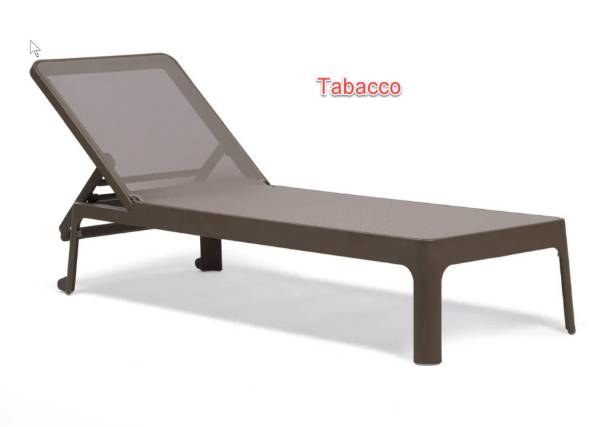
Resin also gives designers freedom. It can be molded into curved chairs, slatted-looking tables, wide benches, and stackable dining pieces. That flexibility is useful when a space needs matching seating and tables but does not want the weight of stone or the upkeep of timber. It is also a good fit for poolside furniture because it does not need the same fear of water that can trouble cushions, untreated metal, or some woven materials. One practical habit is to check that table tops and seats have drainage holes where water could pool. Standing water can leave mineral marks or encourage mildew on nearby cushions.
Resin is not completely maintenance free. Dirt can collect in grooves and molded texture, and dark pieces may show dust more readily. Scratches may be harder to disguise than on painted metal, since the color often runs through the material or is finished in a way that cannot be touched up with a quick brush. Even so, for day-to-day ownership, resin usually asks for less work than wood and less monitoring than steel or iron.
Teak and other woods: durable, but not hands-off
Wood has a warm appearance that is hard to copy exactly. Teak is especially known for outdoor use because its natural oils help it resist moisture and insects better than many other timbers. A teak bench or dining set can last for years when cared for, and it often develops a silver-gray patina if left untreated. That patina is not damage, but it is a change in appearance that some owners like and others do not.
If the goal is the least upkeep, wood asks more than resin. Leaving teak outdoors without oiling means accepting color change and a rougher surface over time. Keeping the original honey tone means regular cleaning and oiling, which takes time and requires care around cushions and paving. Other woods may need sealing or staining to slow cracking, splitting, and discoloration. In places with freeze thaw cycles, moisture inside joints and grain can make maintenance even more important.
Wood also tends to be heavier, which can be useful in windy areas but less convenient when rearranging a patio. It can stain fabrics if finishes are still curing or if oil transfers onto cushions. For readers who enjoy the look and do not mind periodic care, wood remains a strong choice. For anyone who wants to rinse furniture and be done, it sits lower on the low-maintenance scale.
Aluminum and steel: sturdy frames with different risks
Metal seating can be very long lasting when the material and finish suit the setting. Aluminum is light, rust resistant, and easy to move, which makes it common for dining sets and stackable chairs. Powder-coated frames add color and a protective layer. Steel is heavier and often feels more substantial, but it needs a reliable finish to prevent corrosion, especially near salt air or pools.
The weak point for metal is usually the coating rather than the frame itself. Chips around edges, legs, and joints can expose the surface underneath. Once that happens, rust may spread on steel, and touch-up becomes part of ownership. Aluminum does not rust in the same way, but it can still oxidize or show marks if the finish breaks down. Metal also conducts heat and cold, so comfort can vary with the climate. In a hot, exposed setting, a metal chair without a cushion may be unpleasant at midday.
Metal furniture is a good match for people who value slim frames, clean lines, and solid dining support. It is less ideal for those who want to ignore small finish faults. A quick inspection each season is worthwhile, particularly around feet, welds, and any moving parts. Outdoor tables and chairs with metal frames can serve well for years when the finish stays intact, but the upkeep is more specific than a simple wash.
Wicker and woven styles: attractive, but construction matters
Wicker-look furniture can be made from natural fibers or synthetic strands. Natural wicker has charm, but it dislikes prolonged moisture and needs more protection. Synthetic wicker is often used outdoors because it is made to handle rain and sun better. It can still trap dirt in the weave, and loose strands or weak frames can shorten its life.
The upkeep depends heavily on construction. Tight weaving over a rust-resistant frame is easier to live with than loose weaving over ordinary steel. Cushions also add work, since they need drying, storage, or frequent cleaning in damp climates. Synthetic wicker suits covered patios, garden seating areas, and places where a softer visual texture is wanted. It is less convenient where leaves, pollen, and dust collect deep in the weave.
Where resin fits best
Resin is most convincing in places where furniture is used often and stored rarely. Pool lounges, café-style dining sets, resort seating, benches near walkways, and commercial patio furnishings all benefit from materials that can handle repeated cleaning and changing weather. It is also a sensible choice for households that move furniture around often, since many resin pieces are lighter than wood or steel.
For shaded seating nooks with gentle weather and a desire for natural texture, wood or wicker may feel more satisfying. For formal dining spaces where weight and stability matter most, metal may be preferred. Resin sits in the middle with a practical balance: broad style range, manageable cleaning, and fewer routine treatments. The trade-off is that finish quality and UV stability matter more than with some heavier materials, so it pays to compare construction details rather than judging by shape alone.
Small care habits that reduce work
Even low-maintenance furniture lasts longer with a few simple habits. Clear leaves and grit before rain so moisture does not sit against the surface. Use mild soap and water for surface cleaning, then rinse well instead of leaving residue. Check drainage holes on tables, trays, and seats after storms. Move lightweight pieces during severe weather if the area is exposed, and use protective storage for cushions or any fabric parts when they are not in use.
None of these tasks are demanding, but they prevent the slow buildup that makes any material look tired. The least upkeep comes from matching the furniture to the site. Sunny, wet, windy, or coastal settings each punish different weaknesses. When that match is right, resin seating can remain a clean, comfortable, and easy part of an outdoor space without becoming another household chore. Outdoor tables and chairs that are chosen with the local conditions in mind tend to stay useful longer, whatever material is selected.